Green energy, sustainable development, political reform, technological solutionism: these approaches confuse symptoms with causes.
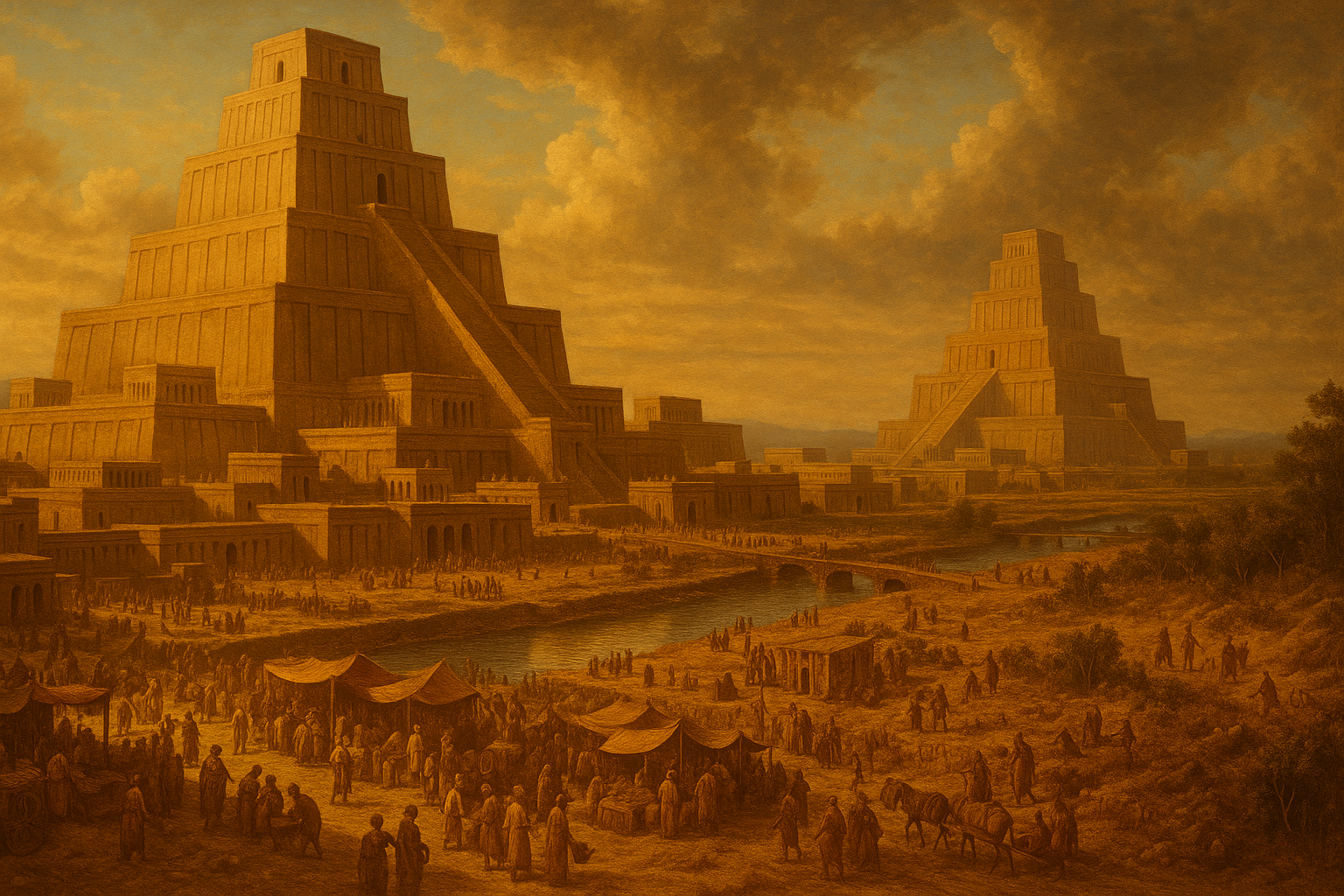
They promise to resolve current crises while preserving civilization. But civilization is not the solution. Civilization is the problem.
Industrial civilization requires constant growth. It demands extraction, production, consumption, and waste at ever-increasing scales.
Every so-called "sustainable" technology depends on the same extractivist, hierarchical, and artificial systems that are driving collapse.
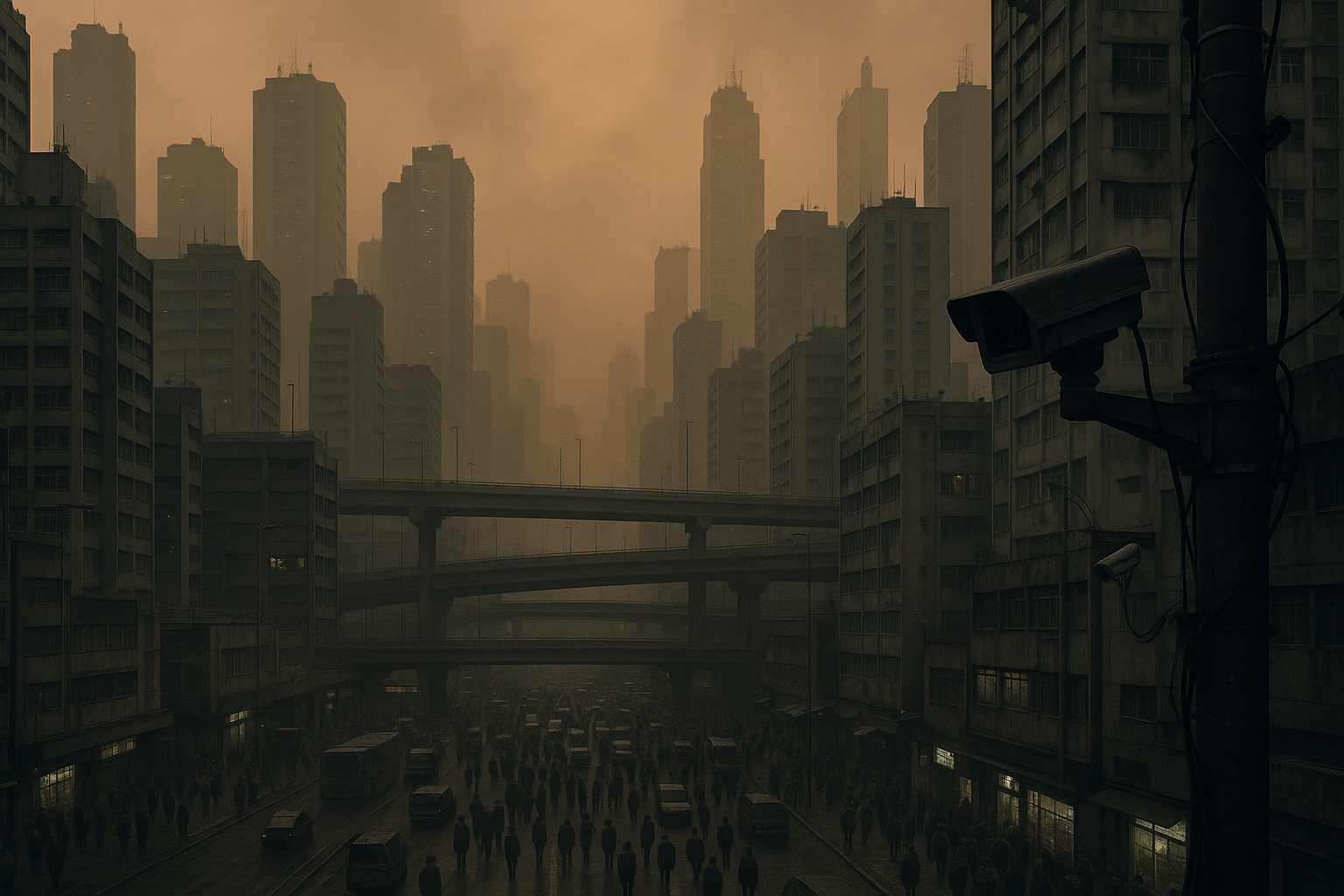
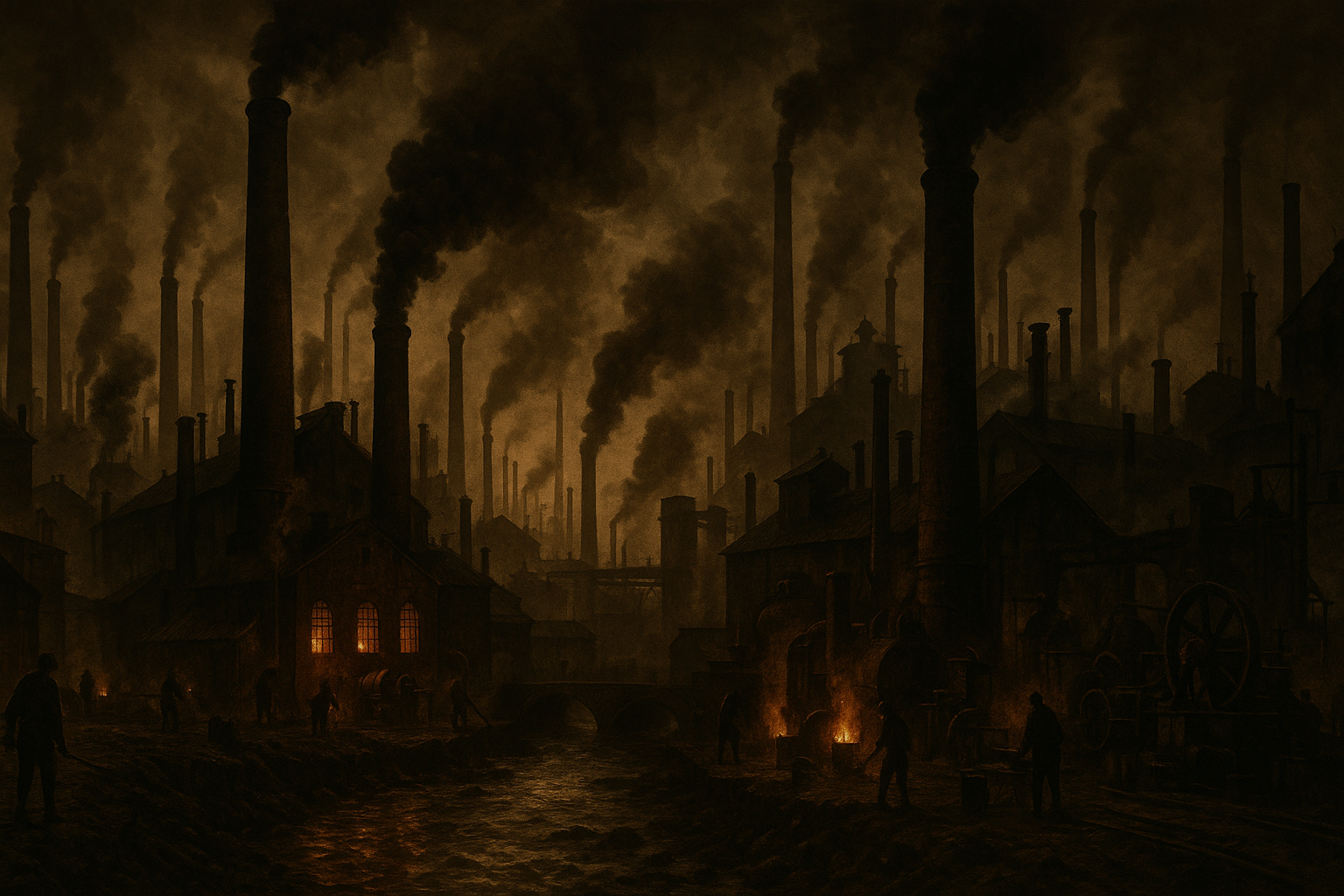
As long as civilization exists, it will transform the environment in ways incompatible with life. Industrial agriculture depletes soils. Cities replace ecosystems. Industry poisons air and water. The State demands ever-greater control and surveillance.
No reform can correct this fundamental incompatibility. Civilization carries within it the seed of ecological destruction and the erosion of human freedom.